Figuring out government programs can be tricky! If you’re receiving Supplemental Security Income (SSI), you might be wondering if getting food stamps (officially called SNAP, or the Supplemental Nutrition Assistance Program) will mess with your SSI benefits. It’s a valid concern! You want to make sure you’re getting all the help you’re entitled to without accidentally causing problems. This essay will break down how food stamps and SSI interact, so you have a clearer picture.
How SNAP Doesn’t Count as Income for SSI
The good news is, in most cases, getting food stamps will NOT directly reduce your SSI payments. The Social Security Administration (SSA), which handles SSI, doesn’t consider SNAP benefits to be “income.” This is important because SSI is based on your income and resources. Things like wages from a job, Social Security benefits, and money from other sources can affect your SSI check. However, food stamps are treated differently.
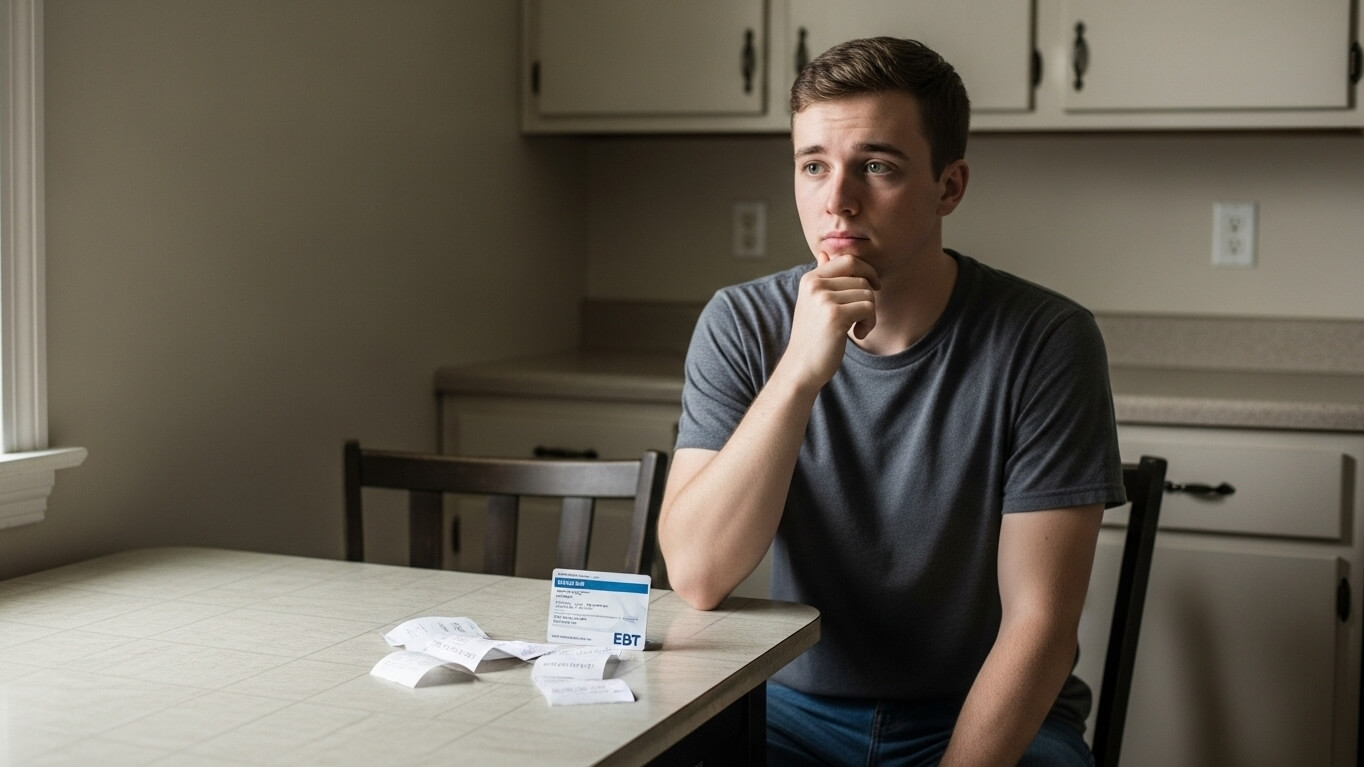
Think of it this way: food stamps are designed to help you buy food, a basic need. They aren’t meant to be extra money that you can use for anything. Since the government doesn’t see them as income, they usually don’t impact how much SSI you get. Keep in mind though that it’s important to report any changes in your situation to the SSA, even if you don’t think it’ll affect your benefits.
This understanding comes from the way these programs are designed and administered. SNAP is provided by the USDA and is there to provide nutritional aid, and SSI is to provide income assistance to those in need. They have different goals and rules which is why they have different implications on each other.
While SNAP doesn’t count as income, it’s still an important resource, and getting it can make a big difference in your life. It helps with food costs, freeing up your SSI to pay for other essentials like rent, utilities, and medical expenses.
Reporting Changes to the SSA
It is important to note that while SNAP benefits themselves don’t affect SSI, you must still report any changes to the Social Security Administration. This is important because your overall financial situation can influence your eligibility for benefits, whether it’s from SNAP or any other program. It’s not that the SNAP benefits themselves change SSI, but other changes you must report to the SSA may affect SSI.
Here’s what you should keep in mind:
- Report any new income. If you start working (even part-time), receive any money from a job, or get more money from any other source, let the SSA know.
- Report changes in living arrangements. If you move in with someone, or someone moves in with you and shares expenses, the SSA needs to know this.
- Report changes in your resources. Resources include bank accounts, stocks, and other assets. The SSA has rules about how much you can have in resources and still receive SSI.
Keeping the SSA informed helps ensure they pay you the correct amount and can prevent problems down the line.
You can report changes to the SSA by phone, in person at a local Social Security office, or by mail. Be sure to have all your documentation ready when you do.
How Other Benefits Might Interact With SSI
While SNAP doesn’t usually affect SSI, other benefits programs might. Some programs are designed to supplement each other, and some can reduce your SSI payments. It can be confusing, so be prepared to clarify with the SSA.
Here are a couple of examples of benefits that could interact with SSI:
- Social Security Disability Insurance (SSDI): If you receive SSDI, it could impact your SSI. The SSA has rules about how these benefits interact and may reduce your SSI based on SSDI payments.
- State or local government assistance: Some state or local programs offer financial aid. The SSA may consider these forms of assistance when determining your SSI eligibility or payment amount.
It’s very important to disclose any kind of benefits that you are receiving. The SSA has systems to identify overlapping benefits. If you do not disclose the information and there is an audit, you could face penalties, or lose your SSI.
It’s always best to be upfront and honest with the SSA, so they can make an informed decision about your benefits.
Resources and Resource Limits for SSI
SSI has resource limits. Resources are things like cash, bank accounts, stocks, and some other assets. The amount you can have in resources affects whether you’re eligible for SSI and how much you receive.
Here’s a general idea of the resource limits. However, it is important to check with the SSA to confirm the current limits.
| Recipient | Resource Limit |
|---|---|
| Individual | $2,000 |
| Couple | $3,000 |
If your resources are above the limit, you might not qualify for SSI. If you receive SSI, you can protect your benefits by managing your resources carefully and ensuring that you remain within the set limits.
It’s a good idea to check the SSA website or contact them directly to find out what counts as a resource and what doesn’t. Understanding the rules helps you to avoid any problems with your benefits.
Impact of Living Arrangements
Where you live and who you live with can also affect your SSI. If you share living expenses with others, the SSA may consider this when deciding how much SSI you receive. The SSA’s guidelines in terms of living arrangements can be somewhat complex, but it is very important to understand.
Here’s a quick rundown of how living arrangements can affect SSI:
- Living alone: If you live alone, you typically receive the full SSI benefit.
- Living with others and paying your share of expenses: If you live with someone else, and you pay your fair share of the household expenses, you’re still likely to receive the full SSI benefit.
- Living with others and receiving “in-kind support and maintenance” (ISM): This is when someone else helps you with expenses, like paying for your food or rent. This could reduce your SSI payments.
- Living in a medical facility: If you live in a medical facility, your SSI benefits might be reduced.
If your living situation changes, tell the SSA right away. They may need to adjust your payments. This will help you get what you are entitled to, and it will help you avoid any repayment requirements later.
It is important to note that if you are receiving ISM from someone, you will have your SSI reduced by up to 1/3.
Seeking Help and Information
Navigating government benefits can be tricky, and it’s okay if you need help. There are resources available to assist you with your questions and concerns about SSI and SNAP. Here are some places you can go to get assistance:
- Social Security Administration (SSA): The SSA is the best place to get official information about SSI. You can visit their website, call their toll-free number, or go to a local office.
- SNAP office: Contact your local SNAP office to learn more about SNAP benefits and to apply. They can answer specific questions about your case.
- Legal Aid: Many communities have legal aid organizations that provide free or low-cost legal services to people with limited income. They can help you navigate government benefit programs.
- Non-profit organizations: Various non-profit groups offer assistance with social services and advocacy. You can check online for organizations in your area.
Don’t be afraid to ask questions and seek help if you need it. The agencies and organizations that manage SSI and SNAP want to provide the best service possible. They want to help you get what you need. They are there to help you get all the information you need.
Remember to have all of your documentation ready. This could include your Social Security card, identification, and information about your income, resources, and living arrangements. This will make it easier for the people you are talking to to help you.
Conclusion
So, will food stamps affect your SSI? Generally, no. Food stamps, or SNAP benefits, are not considered income by the Social Security Administration, so they usually don’t reduce your SSI payments. However, it is still very important to report any changes to your financial situation and living arrangements to the SSA because those changes could affect SSI. If you’re ever unsure, always contact the Social Security Administration directly for the most accurate and up-to-date information. Getting food stamps can offer significant help with food costs, leaving your SSI for other necessities. Remember to use the resources mentioned to help you in understanding how these two programs work together.