Having your EBT benefits suddenly stop can be super stressful! You rely on those benefits to get food, and when they’re gone, it can be tough to figure out what happened and how to fix it. This essay will help you understand some of the most common reasons why your EBT benefits might have stopped and give you some ideas on what steps you can take to get them back on track. We’ll cover everything from how often you need to recertify to issues with your contact information.
Recertification Requirements
One of the most frequent reasons your EBT benefits might stop is because you didn’t complete your recertification process. Think of it like renewing your driver’s license. You have to prove you still qualify for the program. EBT programs, like SNAP (Supplemental Nutrition Assistance Program), require you to periodically show that you’re still eligible. This involves providing updated information about your income, household size, and any other relevant details. The government needs this information to be sure you still need help.
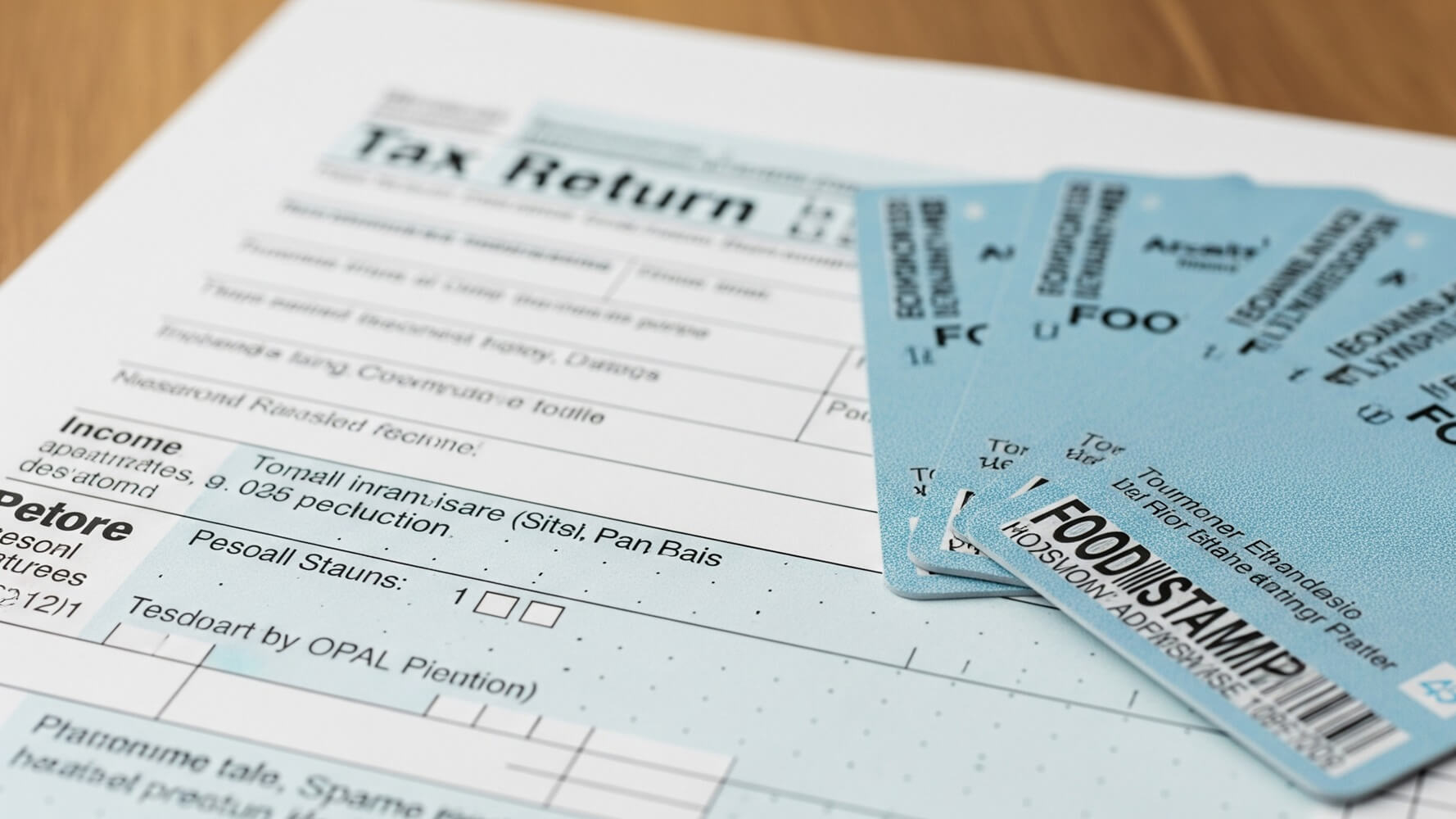
The frequency of recertification varies by state and program, but it’s usually every six months or every year. The government will send you a notice in the mail or contact you electronically (if you’ve provided an email address) to let you know when your recertification is due. If you don’t complete the recertification process by the deadline, your benefits will likely be stopped.
Recertification often involves filling out an application form and providing documentation. Make sure you pay close attention to the deadlines, as missing them can lead to a lapse in benefits. You might need to provide pay stubs, proof of rent or mortgage payments, and information about any other sources of income. It’s essential to read all the instructions carefully and provide accurate information.
Did I fail to recertify my EBT benefits? If you didn’t complete and submit your recertification paperwork on time, that’s likely why your benefits were stopped. The EBT system usually gives you a grace period, but if you miss the deadline, your benefits will be suspended.
Changes in Your Income or Resources
Your eligibility for EBT benefits is based on your income and resources, such as money in a bank account or other assets. If those things change, it could impact your eligibility. For example, if you get a new job that pays more, or someone in your household starts receiving income, your benefits could be reduced or stopped altogether. It’s super important to keep the EBT office informed of any changes.
Think of income like the money you earn. Any money you receive regularly counts as income. This includes wages, salary, unemployment benefits, Social Security benefits, and even child support payments. Resources are things you own that have value, like savings accounts or stocks. The rules regarding the amount of resources you’re allowed to have vary by state.
If there’s a change in your income or resources, you’re usually required to report it to the EBT office within a certain timeframe. This is usually done by contacting them and completing a form or providing documentation. Failure to report these changes could lead to an overpayment of benefits (which you’d have to pay back) or even a penalty. Keep in mind that the EBT office might investigate your income to make sure they’re giving you the correct amount.
Here’s a quick overview of the income sources that are often considered when determining EBT eligibility:
- Wages from employment
- Unemployment benefits
- Social Security income
- Child support payments
- Pension or retirement income
Changes in Household Composition
The size of your household is another key factor in determining your EBT eligibility and benefit amount. If someone moves into or out of your household, it can affect your benefits. This is because the amount of food assistance you receive is based, in part, on how many people are in your household who need to eat.
If someone moves in, like a new roommate or a family member, the EBT office needs to know because it changes how many people are using the food benefits. You’ll usually need to report this change. The EBT office will likely want to know the new person’s income, if they have any, because it could affect the amount of benefits you get.
Similarly, if someone moves out of your household, you need to inform the EBT office. They will adjust your benefits accordingly, as fewer people need to be fed. For example, if a child who was receiving benefits as part of your household moves out to live with another parent, it’s important to inform the EBT office.
Sometimes, you might need to reapply for benefits when there’s a change in household composition, especially if a new person is added. The state agency may have specific rules, so contacting them directly to confirm what actions you should take is always a good idea. Consider using this simple checklist:
- Did a new person move into your home?
- Did a person move out of your home?
- If yes to either, did you inform the EBT office?
- If no, do so immediately!
Incorrect Information or Verification Issues
Sometimes, the reason your benefits stop is a mistake or a problem with the information you provided to the EBT office. For instance, if there was an error on your application, such as an incorrect date of birth or Social Security number, it could cause a problem. The EBT office might also need to verify the information you provided.
Verification is when the EBT office checks the information you gave them to make sure it’s correct. They might ask for documents like pay stubs, bank statements, or proof of residency. If you fail to provide the documents the EBT office asks for, or if the information provided isn’t accurate, it could lead to a suspension of your benefits. They also need to make sure you are who you say you are.
The EBT office can sometimes deny benefits or suspend them if they find inconsistencies in your application or supporting documentation. For example, if your income reported on your application doesn’t match your pay stubs, they may need to investigate. That is why you should always provide the accurate information.
You can prevent these issues by carefully reviewing all application materials, making sure all information is accurate, and keeping copies of any documents you submit. You may need a specific piece of documentation to verify something you’ve provided to the EBT office. This could include any of the following:
| Verification Item | Acceptable Documentation |
|---|---|
| Proof of Income | Pay stubs, employer letters |
| Proof of Residency | Utility bills, lease agreement |
| Identification | Driver’s license, birth certificate |
Failure to Comply with Work Requirements
In many states, there are work requirements for some EBT recipients. This means that to keep receiving benefits, you might need to work a certain number of hours per week or participate in a job training program. If you’re subject to these requirements and don’t meet them, your benefits could be affected.
Work requirements usually apply to able-bodied adults without dependents (ABAWDs), meaning adults who don’t have any children or dependents. In many states, ABAWDs can only receive SNAP benefits for a limited time if they aren’t working or participating in a work-related activity. The exact rules vary by state, so it’s important to know what your local requirements are.
Meeting work requirements can include working a set number of hours, participating in job search activities, or attending job training. If you have a job, you’ll usually need to provide proof of employment, such as pay stubs. If you’re participating in a job training program, you’ll usually need to show proof of your participation.
If you’re subject to work requirements, the EBT office will usually notify you about the specific requirements and what you need to do to meet them. They may also offer resources to help you find a job or training. If you’re unsure about work requirements, contact your local EBT office to get more clarification. Contact them right away to determine which of these activities you must do to fulfill your state’s requirements:
- Work a certain number of hours per week
- Participate in job search activities
- Attend job training
- Other work-related activities
Administrative Errors or System Issues
Sometimes, the reason your benefits stop isn’t your fault. It could be due to an administrative error or a problem with the EBT system itself. These errors can range from a simple data entry mistake to a more complex system glitch. It’s important to realize that even the best systems can have occasional issues.
A simple data entry error might mean that someone at the EBT office typed your Social Security number incorrectly, or that your case was accidentally closed. System glitches can lead to delays in processing applications or issuing benefits. While these kinds of errors are not the norm, they can happen. Sometimes, there’s a software problem that stops the EBT system from working correctly.
If you think an administrative error or system issue is the reason your benefits stopped, the best thing to do is contact the EBT office immediately and explain the situation. They can investigate the issue and try to fix it. You might need to provide proof of your identity or any relevant documentation to help them resolve the problem.
Here’s a quick guide on what to do if you think the issue is on their end:
- Gather any relevant documents: application, notices.
- Contact the EBT office: Phone number, or website.
- Explain the situation: Be clear and concise.
- Ask about the next steps: What will they do?
- Follow up: Keep track of the progress.
Contact Information Problems
Keeping your contact information up to date is vital for receiving important notices from the EBT office. If the office can’t contact you, you might miss crucial information about your benefits, like recertification deadlines or changes to your case. This can lead to benefits being stopped.
Think of contact information as the way the EBT office talks to you. It includes your mailing address, phone number, and email address. If any of these change, you must update the EBT office immediately. Otherwise, you might not get essential notifications about your benefits. It is often a simple process to update this information, and it will keep your EBT benefits current.
If you move, get a new phone number, or change your email address, immediately contact the EBT office to provide your updated information. It’s usually best to provide all of your contact info at the same time. If you don’t update your information, you might miss important notifications about your benefits. This will also help them reach you if they have questions about your application or case.
To update your information, you usually need to contact the EBT office. They might have you fill out a form, update your information online, or do it over the phone. You should keep your information current, or your benefits might be at risk.
In conclusion, there are many reasons why your EBT benefits might stop, from not recertifying on time to changes in your income or household. However, by understanding the common causes and taking the right steps to address them, you can often get your benefits back on track. Always keep accurate records, and be sure to stay in communication with your EBT office if you are unsure of anything. Don’t hesitate to ask for help! The EBT office can offer support and guidance. Remember that the EBT system is there to help, and if you are having difficulties, you should contact them for help.