Going to college can be super exciting, but it can also be tough on your wallet. Tuition, books, and living expenses can add up quickly! You might be wondering, if food is such a basic need, why can’t college students easily get help with groceries through programs like SNAP (Supplemental Nutrition Assistance Program), often called food stamps? It’s a question with a bunch of answers, and we’ll explore some of the main reasons why it’s not always easy for students to get this kind of assistance.
The General Rule: Students and Eligibility
The main reason college students face challenges getting food stamps boils down to a general rule. This rule states that most college students aren’t automatically eligible. This rule isn’t meant to be mean, but it exists because the government wants to make sure the food stamp program is helping people who really need it, and it is worried about people taking advantage of the system.
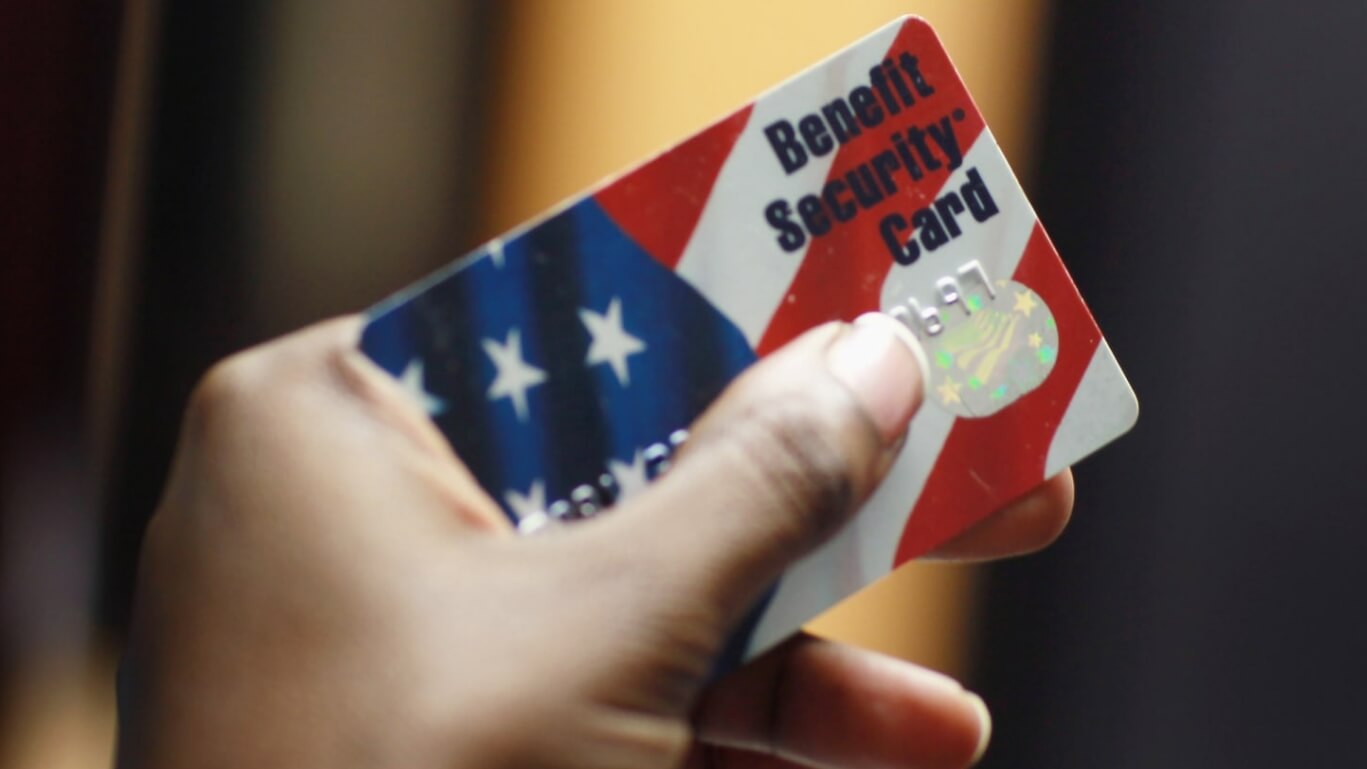
Basically, if you’re a student, you have to jump through some hoops to qualify. The idea is that college students *should* have some other means of support, like family, student loans, or a job, and that makes it so that they can get food.
This rule is laid out by the United States Department of Agriculture (USDA), which oversees the SNAP program. They have a lot of guidelines about who can and can’t get assistance. If you don’t meet the guidelines, you probably can’t get food stamps.
The primary reason college students face obstacles is that they are generally considered ineligible unless they meet specific exemptions, which we’ll explore in more detail.
Working a Certain Number of Hours
One way a college student can get SNAP is by working a certain amount. SNAP rules say students who work at least 20 hours a week are usually eligible. This shows that they are contributing to their own support and aren’t just relying on school and loans. This is one way the government can make sure that the people who need help the most are getting it.
Proving you work those hours can involve different steps. Your school may provide documentation about your job hours to prove the information is correct. You also may need to show your pay stubs or a letter from your employer verifying your hours. The actual process will vary depending on the state, but you’ll definitely need some kind of proof!
Meeting the 20-hour-per-week requirement can be challenging. Balancing classes, homework, and a job is tough. It’s a lot to manage. However, having a job can not only help with food but also help you learn about responsibility, time management, and maybe even what you want to do as a career.
Here’s a quick breakdown of the requirements:
- Work at least 20 hours per week.
- Provide proof of employment (pay stubs, employer letter).
- Hours must be consistent.
- Check your state’s specific rules.
Participating in Work-Study Programs
Another way students can qualify for food stamps is through federal or state work-study programs. Work-study programs are jobs on or off-campus that are subsidized by the government. If you’re in one of these programs, it can be a sign that you have an income that can help with food.
Work-study jobs are meant to help students with their educational expenses. They provide both an income and valuable work experience, which can be good for your resume. They are usually designed to work around your class schedule, so you can balance your school and work.
If you are in a work-study program, you’ll usually need to provide some information to the SNAP office. This could include the name of your work-study employer, your work schedule, and how much you get paid. Sometimes, the school itself will help you with the paperwork.
Here is a short table illustrating the main benefits of Work-Study Programs:
| Benefit | Description |
|---|---|
| Income | Provides a regular paycheck. |
| Work Experience | Helps build skills for future jobs. |
| Flexibility | Work hours can be flexible. |
| Eligibility | May qualify you for SNAP benefits. |
Being a Single Parent
College students who are single parents often face unique challenges. They have the responsibility of caring for a child or children. They have to worry about school, work, and now childcare. This makes it harder to work more hours. This makes it so they may be eligible for food stamps.
Because of their responsibilities, single parents often qualify for SNAP. To qualify, they will need to show they are the primary caregiver for a child under 18 years old. This usually involves providing documentation like a birth certificate or proof of custody. Proof of income may also be required, which is how they calculate their SNAP benefits.
This is a very important exception, because the child’s welfare is important. It is a common understanding that the child and parent would have difficulty surviving without some kind of assistance.
Here is a list of the requirements single parents must meet to qualify for SNAP:
- Be the primary caregiver of a child under 18.
- Provide documentation (birth certificate, custody papers).
- Meet income requirements (these vary by state).
- Follow all SNAP rules.
Receiving Temporary Assistance for Needy Families (TANF)
TANF is a program that helps families with low incomes. If a college student is already getting TANF benefits, they are often also eligible for SNAP. This is because TANF is a program designed to help low-income families get back on their feet.
TANF benefits often include cash assistance, which can help cover basic needs, like housing, food, and utilities. TANF and SNAP often work together to provide comprehensive support for low-income families. The goal is to help people become self-sufficient and improve their standard of living.
If a college student is already participating in TANF, they usually just have to provide proof of their TANF status to the SNAP office. This might be a copy of their TANF benefit letter or a caseworker’s statement. This simplifies the process, because the government has already determined that the person needs assistance.
Here is a list of the ways that TANF and SNAP help people:
- Provides cash assistance for basic needs.
- Often helps with job training and employment services.
- Helps people become self-sufficient.
- SNAP provides food assistance.
Being Physically or Mentally Incapacitated
Students who are unable to work because of a physical or mental disability are also often exempt from the general student rule. This exception recognizes that some students have health issues that make it impossible for them to hold down a job or attend classes normally. This is an important exception, because it takes into consideration the needs of people with challenges.
To qualify under this exception, students usually need to provide medical documentation. This documentation needs to come from a doctor, and will explain the nature of the disability and how it impacts their ability to work. The government will carefully review the medical records to make sure they are legitimate.
This exemption can provide much-needed support for students who have medical problems. It can also help students focus on their health and studies.
Here is a quick guide of the steps to prove disability:
- Obtain medical documentation from your doctor.
- Provide the documentation to the SNAP office.
- The SNAP office will assess the information.
- You may be required to attend additional appointments.
Other Situations That Can Help
There are a few other situations where a college student might qualify for food stamps. For example, if you’re participating in a state-funded employment and training program, you may be eligible. These programs usually help people get the skills and experience they need to find a job. This can be another example of when you can get food stamps.
Another exception is if a student is no longer eligible for federal or state financial aid. They could also qualify. This could happen if a student has exhausted their financial aid options and is unable to afford food.
If a student is homeless or living in temporary housing, they may also be eligible. This is because these students don’t have stable housing. They may need assistance with things such as food.
Here is a table that illustrates some of the situations where students might be eligible.
| Situation | Description |
|---|---|
| State-Funded Programs | Enrolled in job training. |
| No Financial Aid | Not receiving financial aid |
| Homeless | Without a permanent place to live. |
Conclusion
So, why can’t college students get food stamps easily? It comes down to the general rule that assumes students have other means of support. However, there are several exceptions. If a student works enough hours, is in a work-study program, is a single parent, receives TANF, or has a physical or mental disability, they may be eligible. Navigating the SNAP system can be a little tricky, but knowing the rules and exceptions can help college students get the food assistance they need.