The Food Stamp Act of 1964 was a super important law in the United States that helped people who didn’t have enough money to buy food. It was a big step in the right direction to help fight hunger and poverty in America. Before this act, there were some local food assistance programs, but they weren’t available everywhere, and they weren’t always very effective. The Food Stamp Act changed all of that, creating a national program to help families and individuals afford nutritious meals. This essay will dive into what the Food Stamp Act was all about, how it worked, and why it was so significant.
The Basic Question: What Did The Food Stamp Act Do?
So, what did this Food Stamp Act actually do? The main goal of the Food Stamp Act of 1964 was to help low-income families buy food by providing them with coupons, or “food stamps,” that they could use at grocery stores. These stamps were essentially money that could only be used to purchase food items. This helped people who were struggling to afford meals put food on the table for themselves and their families.
The Reasons Behind The Act
Why did the government create this program in the first place? Well, there were a few key reasons. First, there was a serious problem with hunger and malnutrition in the United States. Many people, especially in rural areas and low-income communities, simply didn’t have enough to eat. The government recognized this as a problem that needed to be addressed.
Second, it was also seen as a way to help stimulate the economy. When people have money to spend on food, they buy food. When they buy food, that helps support farmers, grocery stores, and food manufacturers. The Food Stamp Act, in a sense, was a way to boost the economy by putting money into the hands of people who would spend it on essential goods.
Third, the act was part of President Lyndon B. Johnson’s “War on Poverty.” This was a set of programs designed to fight poverty and inequality in America. The Food Stamp Act was a key component of this effort, designed to help families escape poverty.
Here are some additional reasons the Food Stamp Act was enacted:
- To reduce hunger and improve nutrition for low-income families.
- To support farmers by increasing demand for agricultural products.
- To improve the overall health of the nation by ensuring people had access to adequate food.
- To stimulate the economy by increasing consumer spending on food.
How the Food Stamp Program Worked Initially
In the beginning, the program worked pretty straightforwardly. Families who qualified based on their income and assets would receive paper coupons, or food stamps, that they could use at participating grocery stores. These stamps were like cash, but they could only be used for specific food items. Think of it like having a special type of money just for groceries.
There were some restrictions, though. You couldn’t use the stamps to buy things like alcohol, tobacco, or non-food items like cleaning supplies or pet food. The idea was to ensure that the stamps were used to improve nutrition. The specific amount of stamps a family received depended on their income and family size. So, a larger family would receive more stamps than a smaller one.
The program was initially tested in a few pilot counties before being expanded nationally. This allowed the government to work out any kinks in the system. It was considered a success because it provided access to food. People could go to their local grocery store and buy food, just like anyone else, thanks to the food stamps.
Here’s a simplified breakdown of how the program worked during its early years:
- Families applied for food stamps through their local welfare office.
- Eligibility was determined based on income and assets.
- Eligible families received paper food stamps.
- Families could use the food stamps at participating grocery stores.
- Food stamps could only be used to purchase eligible food items.
Who Was Eligible for Food Stamps?
To get food stamps, you had to meet certain requirements. These requirements have changed over time, but in 1964, eligibility was primarily based on income and resources. The government wanted to help those who really needed it the most. If your family’s income was below a certain level, and if you didn’t have a lot of savings or other assets, you would likely qualify.
Also, the size of your family mattered. Larger families with more people to feed usually had higher income limits for eligibility. The program was designed to be fair and consider individual circumstances. It was made to make sure that people weren’t going hungry just because they didn’t have enough money.
Many different groups of people could qualify for food stamps. In general, those who were considered low income or unemployed were able to participate. In the beginning, it was mostly targeting families with children. Over time, the program expanded to include elderly people, people with disabilities, and other vulnerable populations. This was an attempt to make sure anyone who needed help got it.
Here’s a simple chart of some of the eligibility requirements:
| Requirement | Example |
|---|---|
| Income | Must be below a certain amount based on family size. |
| Assets | Limited savings and other resources. |
| Residency | Must live in the United States. |
The Impact on the Economy
The Food Stamp Act had a big impact on the economy. First off, it helped boost the demand for food. When people had food stamps, they could buy more groceries, which meant that grocery stores started selling more food. This was a big win for farmers too because they were able to sell more of their products.
Also, the program helped support businesses. The government was putting money into the economy, and that money was being spent at local stores. This, in turn, helped create jobs. The act had a bit of a “trickle-down” effect, with money flowing from the government to families, then to stores, and finally to the people who worked at those stores and in related industries.
The increased spending that resulted from the Food Stamp Act helped drive economic growth in many areas. The program also created jobs because more food needed to be produced, transported, and sold. It became clear that helping people afford food could also help boost the economy.
Here are some ways the Food Stamp Act impacted the economy:
- Increased demand for food.
- Support for businesses, like grocery stores.
- Increased employment in the food industry.
- Overall economic growth.
Evolution of the Program Over Time
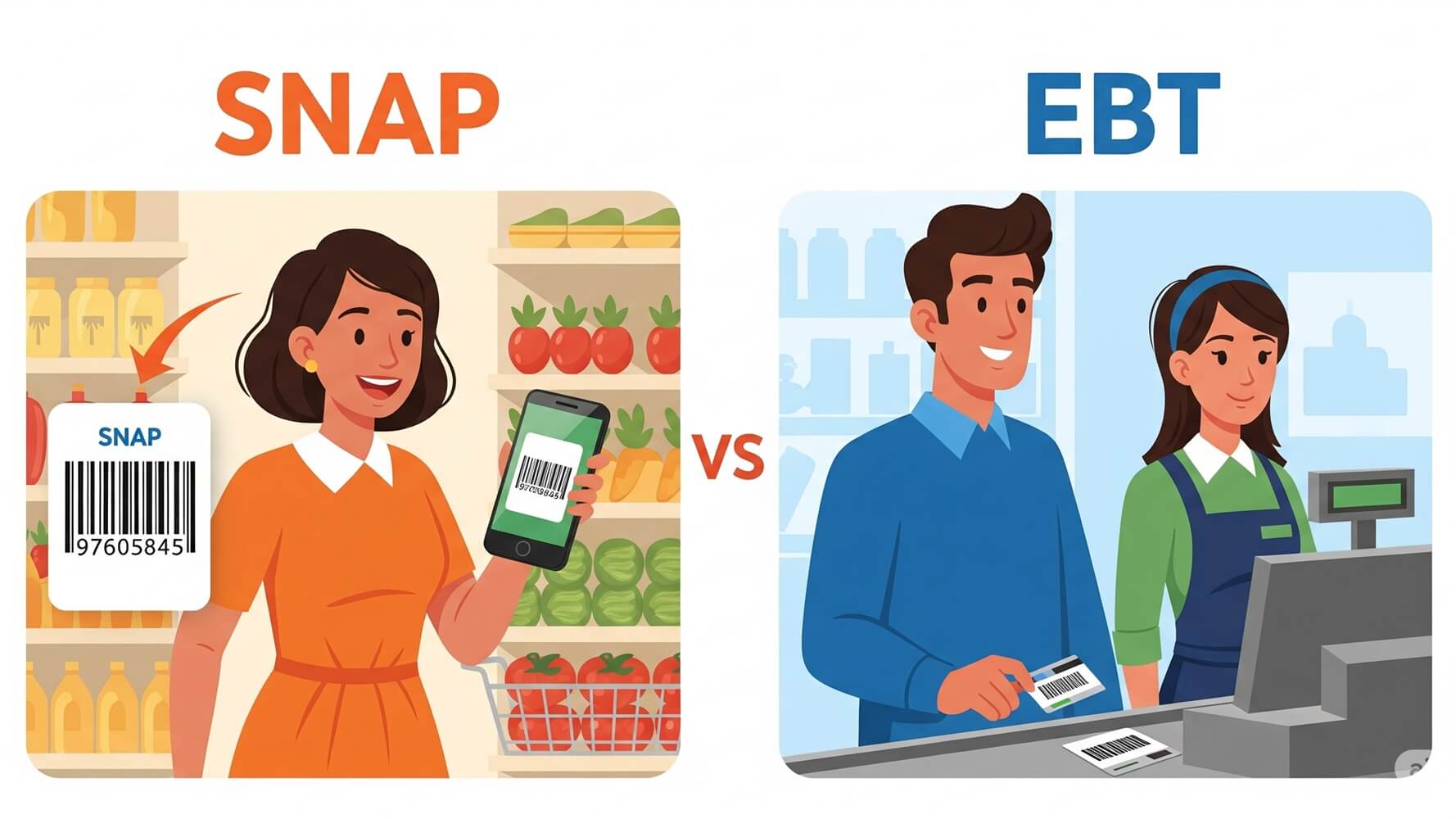
The Food Stamp Act of 1964 wasn’t a finished product. Over the years, the program has been changed and improved to meet new needs and address any problems. For example, the program was updated so the paper coupons turned into electronic cards called EBT cards. It made it easier for people to get their benefits and for stores to process them. Also, the eligibility rules have been adjusted to make sure the program is helping the right people.
The program’s name has changed, too. It’s now known as the Supplemental Nutrition Assistance Program, or SNAP. The goals are still the same: to help people afford healthy food. The government learned more about what worked and what didn’t, and made changes to make the program more effective.
The government has also increased the types of food you can buy and worked to reduce fraud to ensure that benefits go to those who really need them. This means making sure the money is being used as intended. The Food Stamp Act has evolved and been changed many times. The goal is to help as many people as possible.
Here’s a timeline of a few changes:
- 1964: Food Stamp Act is passed.
- 1970s: Program expands nationally.
- 1990s: Electronic Benefit Transfer (EBT) cards are introduced.
- 2008: Program is renamed SNAP.
The Legacy of the Food Stamp Act
The Food Stamp Act of 1964 left a huge mark on America. It was one of the first major steps in the fight against hunger and poverty. It helped millions of families and individuals get access to the food they needed to live healthy lives. It was a critical part of the War on Poverty and showed that the government could play a vital role in supporting those in need.
The program has helped reduce hunger and malnutrition in the United States for several decades. It also paved the way for other nutrition programs that followed, and is still providing assistance to people across the country today. It’s a reminder that sometimes, the government can step in and make a real difference in people’s lives.
The Food Stamp Act is a great example of how a government can help its citizens, by helping them stay healthy and well fed. The Food Stamp Act remains a significant part of the country’s history, and it’s proof that it’s possible to make changes for the better.