Ever wondered how people pay for groceries using a special card? That’s often through the Supplemental Nutrition Assistance Program, or SNAP. SNAP helps people with low incomes buy food. But how do you know how much money you have to spend? That’s where your SNAP balance comes in. This essay will explain what a SNAP balance on an Electronic Benefit Transfer (EBT) card is and how it works.
What Does “SNAP Balance” Actually Mean?
The SNAP balance is simply the amount of money you have available on your EBT card to purchase eligible food items. Think of it like a debit card specifically for groceries. The government, through SNAP, puts money onto your EBT card each month. This money can only be used at stores that accept EBT cards, like most grocery stores and some farmers’ markets.
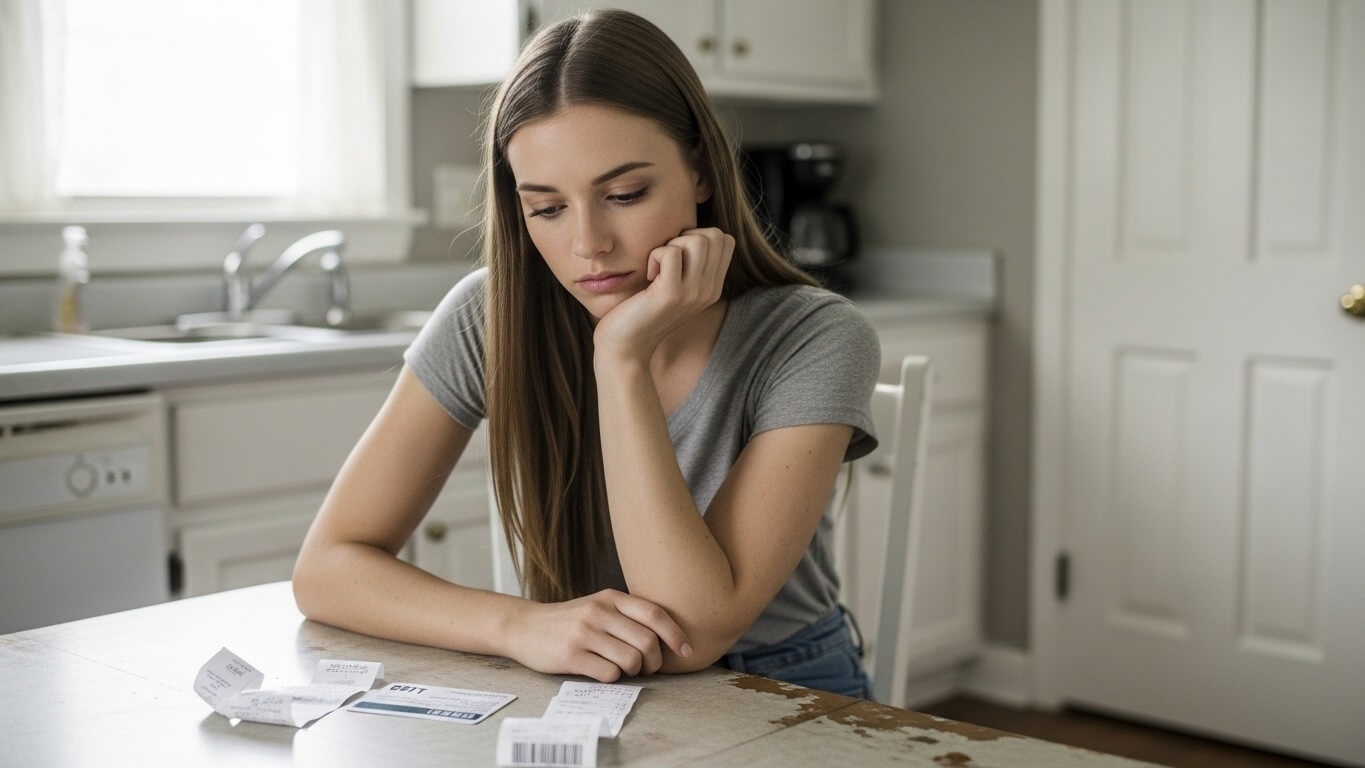
Checking Your SNAP Balance: Easy Ways to Know
Knowing your SNAP balance is super important so you don’t accidentally try to buy more than you have. There are several ways to check. These are often very similar no matter where you live, although specific numbers (like phone numbers) might be different.
You can check your balance at the store after a purchase.
- When you swipe your EBT card, the receipt shows your remaining balance.
- Make sure to keep your receipts!
You can also call a phone number to check. Here’s how it works:
- Find the phone number for your state’s EBT customer service. This is usually printed on the back of your EBT card.
- Call the number and follow the prompts. You’ll usually need to enter your EBT card number and sometimes a personal identification number (PIN).
- Listen to the automated system or talk to a representative to find out your balance.
Many states have websites or apps where you can check your balance online. You will have to register an account. Usually, you have to enter the EBT card number and possibly the PIN. This lets you see your balance and sometimes your transaction history.
What Can You Buy With Your SNAP Benefits?
SNAP benefits are specifically for buying food. This means certain items are approved, and some are not. It’s good to know what you can and can’t buy so you do not get embarrassed at the checkout.
You can usually buy:
Fresh fruits and vegetables. Meat, poultry, and fish. Dairy products, such as milk and cheese. Breads and cereals. Snacks, like chips or cookies. Non-alcoholic beverages.
However, there are some things you *cannot* buy with SNAP. For instance, you can’t purchase:
- Alcoholic beverages
- Tobacco products
- Vitamins and medicines
- Pet food
- Prepared foods that are ready to eat (like hot deli items, except for certain programs)
Remember, this is not an exhaustive list, and regulations can vary.
How SNAP Balance is Determined
The amount of SNAP benefits you receive each month is calculated based on several factors. These factors can vary by state, but they generally include the size of your household (how many people live with you and share food costs) and your household’s income. The government uses these two pieces of information to figure out what your balance will be.
The government compares your income to guidelines to determine eligibility. Different rules apply depending on where you live.
- For example, if your income is below a certain level, you may qualify for SNAP.
- The amount of benefits will change depending on your income. If your income increases, your benefits could decrease.
- If your income decreases, your benefits may increase.
The government reviews your income and household size at different points during the year, or if you report a change. If things change (like someone in your home getting a job), your SNAP balance may change. The goal is to make sure benefits are going to those who need them most.
Here is a basic example: Imagine a family of three with a monthly income of $1,500 might receive a SNAP benefit of $500 per month. A family with a lower income of $1,000 might receive $600 per month.
Using Your EBT Card at the Store
Using your EBT card is a lot like using a debit card. The main difference is that you can only buy approved food items.
When you’re ready to check out, tell the cashier you’d like to use your EBT card. They’ll swipe the card. You may need to:
- Enter your PIN (personal identification number) on the keypad.
- The total amount of eligible food items is deducted from your SNAP balance.
- Pay for non-food items (if any) with another form of payment, like cash or a different card.
It’s also important to protect your EBT card! Keep your PIN secret and treat it like cash.
What Happens to Unused SNAP Funds?
You might wonder, what happens if you don’t use all your SNAP benefits each month? Do you lose the money? Well, it depends.
In most cases, any unused SNAP benefits roll over to the next month. That means the balance stays on your EBT card and is available for you to use. This can be helpful if you have a month where you need to buy more groceries than usual.
However, there might be a time limit on how long unused benefits can remain on your card. Rules can vary by state, but benefits will likely expire after a long period (like a year or more) without any use. It’s always a good idea to check your state’s specific rules.
For instance:
| Scenario | Action |
|---|---|
| Balance is not used for a month | Balance carries over to the next month. |
| Balance is not used for many months | Balance might expire after an extended period, according to state rules. |
Troubleshooting EBT Card Issues
Sometimes, you might run into problems with your EBT card. Maybe your card is declined, or you think there’s an error in your balance. Here’s what to do.
If your card is declined, the first thing to check is your balance. You might not have enough money on your card. Also, make sure you’re only buying eligible food items.
Other issues may occur:
- PIN problems: If you forget your PIN or enter it incorrectly too many times, your card might be locked. You’ll need to contact customer service to reset it.
- Lost or stolen cards: If your card is lost or stolen, report it immediately to prevent someone from using your benefits. The EBT card provider can cancel your card and issue a new one.
- Balance discrepancies: If you think your balance is incorrect, keep your receipts. Contact customer service to report the issue.
Remember the customer service number printed on the back of your EBT card. They can help you with any problems you face.
Conclusion
In conclusion, understanding your SNAP balance on your EBT card is key to managing your food budget and accessing the resources you need. By knowing how to check your balance, what you can buy, and how to troubleshoot any issues, you can make the most of your SNAP benefits and ensure you and your family have access to healthy food.