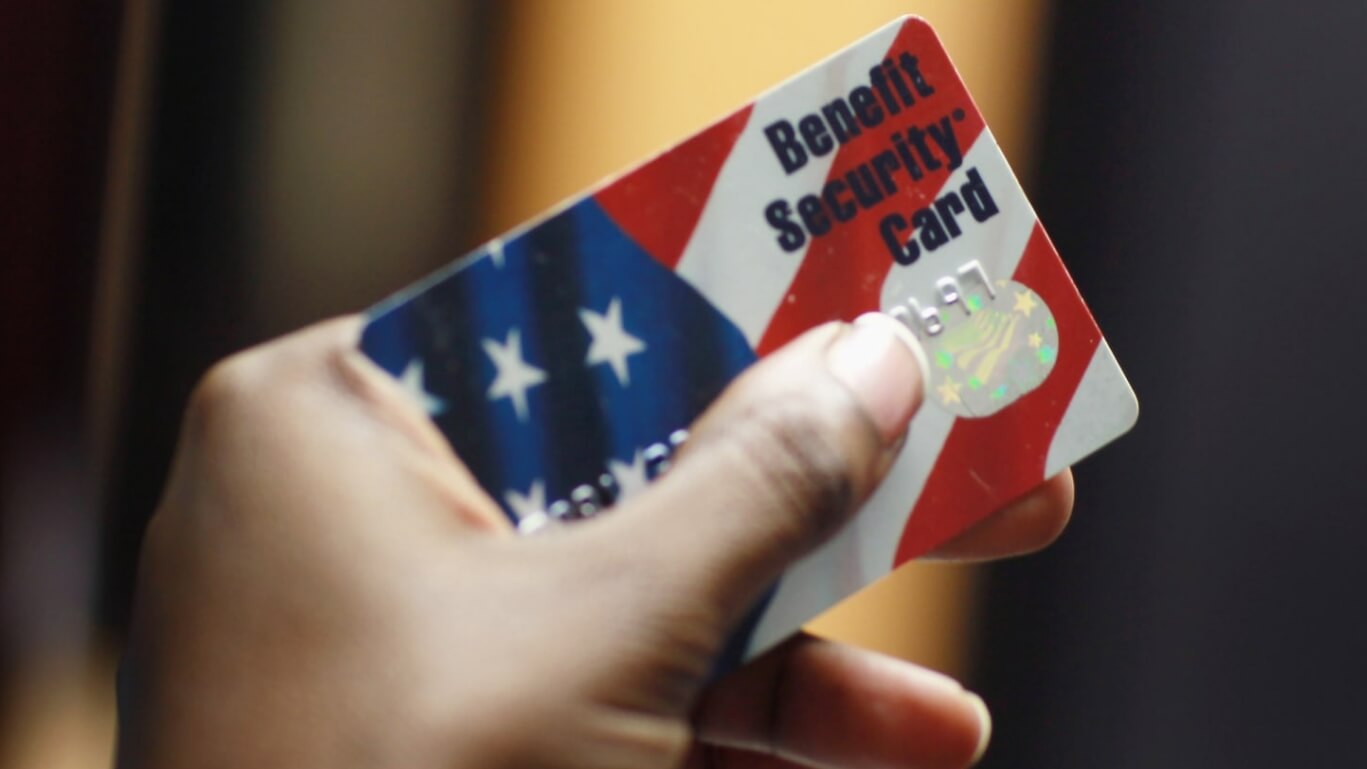
If you’re using an EBT card, which is like a debit card for food, you’re probably wondering exactly what you can and can’t buy with it. EBT, or Electronic Benefit Transfer, helps people who need food assistance purchase groceries. While it’s super helpful, there are some rules about what kind of items you can actually get. Let’s break it down so you know exactly what to expect when you hit the checkout lane.
Hot Foods and Prepared Meals
One of the biggest restrictions is on hot foods and meals that are ready to eat.
Generally, you can’t use your EBT card to buy food that is hot when you buy it. This includes things like rotisserie chickens, prepared deli sandwiches, or hot food bar items. Think about it this way: if the food is meant to be eaten right away, it probably isn’t allowed. This is because the SNAP (Supplemental Nutrition Assistance Program), which is what EBT cards are for, is designed to help people buy ingredients they can prepare at home. Some restaurants may accept EBT in certain situations, but this is less common.
There are exceptions in some states, but these are rare. It’s essential to check the specific rules of your state. Some places may partner with restaurants to offer meals for those who can’t prepare food. This often helps people who are homeless, elderly, or have disabilities. Always confirm at the register if a particular item qualifies.
To make it clearer, here are some things you CANNOT usually buy:
- Hot pizza slices
- Coffee from a coffee shop
- Heated sandwiches
- Prepared salads from a deli
Alcoholic Beverages
Another big no-no is alcohol. It doesn’t matter if it’s beer, wine, or liquor; you can’t use your EBT card to purchase it. This rule is pretty straightforward and easy to understand. The goal of the program is to provide nutritional assistance, and alcohol doesn’t fit that bill.
This restriction applies to all types of alcoholic drinks. Buying alcohol with your EBT card could lead to the benefits being revoked. Also, stores are required to have systems in place to prevent the purchase of alcohol with EBT cards. This includes a card reader that will not authorize such transactions.
So, if you’re at the store, make sure to pay for your beer or wine with cash, a different card, or another form of payment. Otherwise, the purchase won’t go through, and it could cause problems.
To recap, here are some examples of what you cannot buy:
- Beer
- Wine
- Liquor
- Ready-to-drink cocktails
Non-Food Items
EBT cards are strictly for buying food items, which means anything that isn’t considered food is off-limits. This includes things like paper towels, cleaning supplies, diapers, and pet food. The government provides this assistance for families to acquire healthy food, and non-food items are excluded from this definition.
The EBT card only covers food items. If you want to purchase non-food products, you’ll need to use another form of payment, like cash, a debit card, or a credit card. Many stores have a clearly defined process for separating food items from non-food items, often with separate payment lanes. This ensures that transactions go smoothly and adhere to program rules.
In summary, here is a list of common items you cannot buy:
- Toiletries (shampoo, soap)
- Household cleaning supplies (bleach, dish soap)
- Paper products (napkins, toilet paper)
- Pet food
Vitamins and Supplements
You might be surprised, but vitamins and supplements also fall into a gray area. While they can sometimes be considered beneficial for health, they are not usually covered by EBT. The rules usually prioritize actual food items, providing nutrients that the body needs. In most cases, only items clearly labeled as food qualify for EBT purchase.
The best way to know whether a supplement is okay to buy is to check with the store clerk or call your local EBT office. Certain dietary supplements might be allowable under special circumstances with a doctor’s note. However, generally, vitamins and supplements are viewed differently than groceries.
Here is a table to help you distinguish between what you can and can’t buy with your EBT:
| Item | EBT Eligible? |
|---|---|
| Multivitamins | No |
| Protein powder | No |
| Breakfast Cereal | Yes |
| Vitamin D tablets | No |
Tobacco Products
Like alcohol, tobacco products are also not allowed. This includes cigarettes, cigars, chewing tobacco, and any other tobacco-related items. The goal of the EBT program is to support healthy eating habits, and using EBT to purchase tobacco is not allowed. This is a pretty universal rule.
Stores are required to have systems in place to block the purchase of tobacco products with an EBT card. Trying to use your EBT card for these items will cause the transaction to be rejected. It’s important to keep this in mind to avoid any issues at the checkout.
To clarify, some items you cannot purchase:
- Cigarettes
- Cigars
- Chewing tobacco
- Vaping products
Non-Eligible Store Items
Some stores may sell items that are not approved for EBT purchases. For example, stores like Target, Walmart, and other big-box stores have items that aren’t typically food. This also applies to department stores and specialty food shops. Because EBT cards are for buying food, not other things, you have to be careful about what you put in your cart.
The SNAP program generally allows people to buy food at authorized retail stores. This includes grocery stores, farmers’ markets, and some other places that have been approved by the government. Items sold at these locations must meet SNAP’s definition of what is an eligible food item.
Here are examples of non-eligible store items:
- Clothing
- Electronics
- Toys
- Household goods
If you are unsure, it’s always a good idea to ask a store employee for clarification. Remember that the rules are designed to ensure EBT benefits are used for their intended purpose: to help individuals and families access nutritious food.
In a nutshell, understanding the limitations of your EBT card is crucial. Knowing what you can’t buy – things like hot foods, alcohol, tobacco, and non-food items – helps you make informed decisions while grocery shopping. By following these guidelines, you can use your EBT benefits effectively and ensure you’re getting the food you need.