Medicaid and SNAP (Supplemental Nutrition Assistance Program) are really important programs in the United States. They help people who need a little extra support, like help paying for healthcare or groceries. It’s good to understand who these programs help. Let’s dive into the different types of people who often rely on Medicaid and SNAP.
Children and Families with Low Incomes
One of the biggest groups of people using these programs are kids and families with not a lot of money. Many families find it tough to cover all the costs, like food, rent, and doctor visits. That’s where Medicaid and SNAP come in to help. These programs provide a safety net.
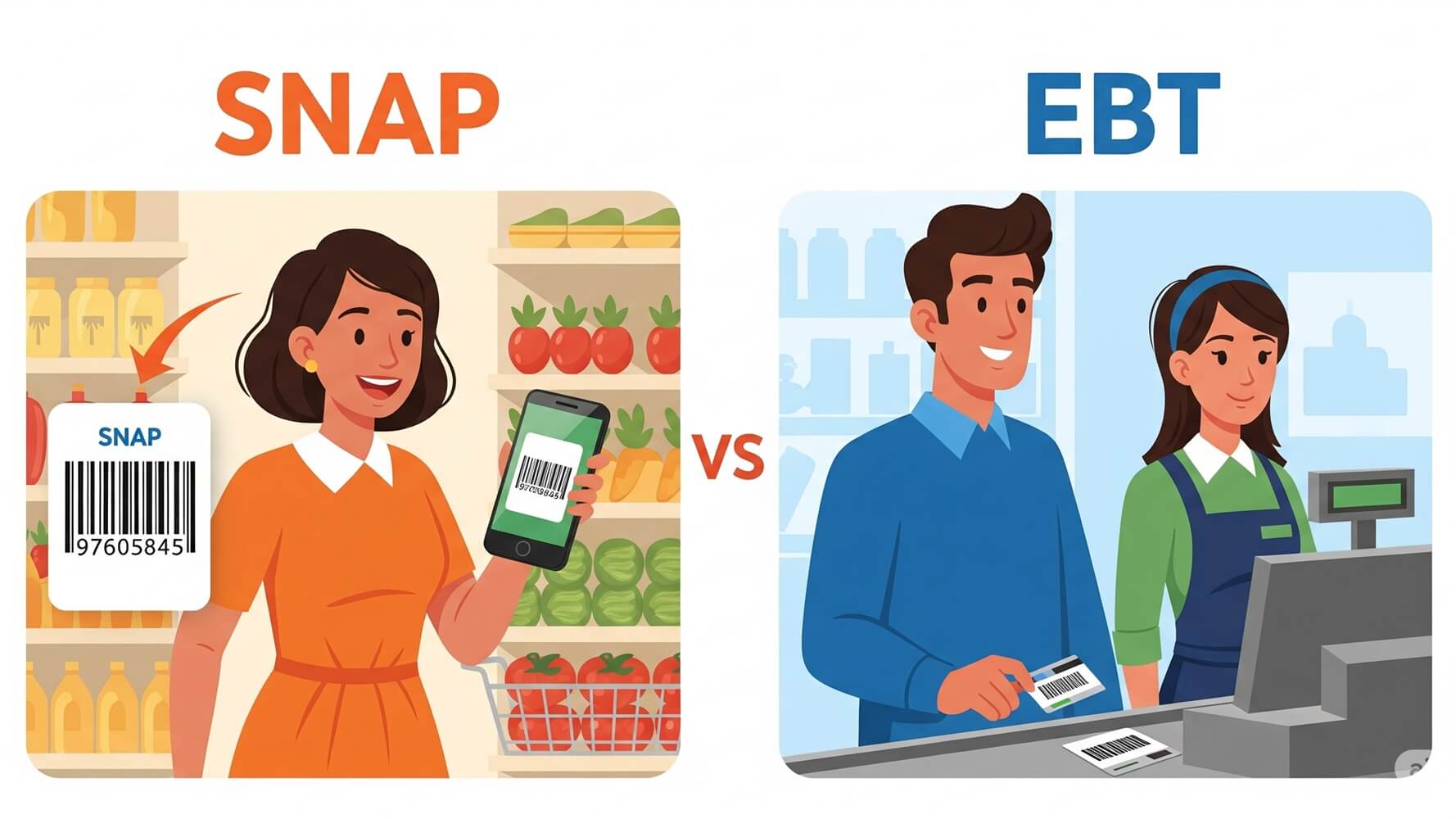
Sometimes, a parent might be working a job but still not making enough to pay for everything. Other times, parents might be looking for work or taking care of their children full-time, making it hard to hold down a job. Medicaid helps cover doctor appointments, hospital stays, and other health needs for children. SNAP helps families afford groceries.
The rules for who qualifies for these programs can be a little complicated, depending on the state. Usually, it’s based on the family’s income and how many people are in the household. These programs help to ensure that children are healthy and have enough to eat, giving them a better chance to succeed in school and in life.
Here are a few of the costs that these families may be trying to cover:
- Rent or Mortgage Payments
- Utilities (electricity, water, etc.)
- Transportation
- Childcare
People with Disabilities
Another large group is made up of people with disabilities. This includes individuals who have physical or mental health challenges that make it difficult to work or live independently. These individuals often have extra medical costs and may have less income because they can’t work full-time or at all. Medicaid is super important for them because it covers things like doctor visits, medications, and therapy.
SNAP also helps these individuals by providing money for food. Many people with disabilities need specialized diets or equipment that can be expensive. The programs help to make sure they can afford these things. It allows them to live with a better quality of life.
The application process for Medicaid and SNAP for people with disabilities can be a bit tricky. It often requires medical documentation to prove the disability. Agencies offer assistance with the application process to help people get the services they are entitled to.
Here’s a simplified breakdown of the types of disabilities:
- Physical Disabilities: Mobility issues, chronic pain, etc.
- Mental Health Conditions: Depression, anxiety, etc.
- Developmental Disabilities: Autism, Down syndrome, etc.
Seniors and the Elderly
Older adults, particularly those with lower incomes or limited savings, are another group that benefits from Medicaid and SNAP. As people get older, they often need more medical care and prescription drugs. Medical expenses can quickly become overwhelming, particularly for those living on fixed incomes like Social Security. **Medicaid helps pay for these healthcare costs, including nursing home care for some seniors.**
Many seniors might be living on a fixed income. The money they receive from Social Security or other retirement funds might not be enough to cover all of their needs, especially as healthcare costs continue to rise. SNAP provides them with money to buy food, ensuring they can eat nutritious meals.
Seniors may also face challenges like social isolation, transportation difficulties, or a decline in physical abilities. This makes it more difficult for them to access resources and services. Medicaid and SNAP, along with other support programs, offer a critical lifeline.
Here’s a quick look at some common issues older adults face:
- Chronic illnesses
- Limited mobility
- Difficulty with daily tasks
Pregnant Women and New Mothers
Pregnant women and new mothers also often rely on Medicaid and SNAP. Pregnancy brings with it increased healthcare costs, including prenatal care, doctor’s appointments, and the delivery of the baby. Medicaid helps to cover these expenses, ensuring both the mother and the baby receive the care they need. After the baby is born, Medicaid continues to provide coverage for the baby’s healthcare needs during the first year of life.
New mothers, especially those who are single or have low incomes, may struggle to provide for themselves and their babies. SNAP provides financial assistance for buying food, helping mothers provide nutritious meals for themselves and their children. It helps make sure that new moms and their babies get the food they need.
Medicaid and SNAP provide access to critical support services like nutrition education, parenting classes, and other resources. These services help new mothers with the challenges of caring for their newborns. They ensure that they have the information and resources needed to raise healthy children.
Here’s a table showing some common services provided:
| Medicaid | SNAP |
|---|---|
| Prenatal care | Food assistance |
| Delivery of the baby | Nutrition education |
| Postpartum care | Parenting classes |
Veterans and Military Families
Veterans and military families can sometimes struggle to make ends meet, and Medicaid and SNAP can be helpful. Veterans may face challenges like physical or mental health issues, job loss, or difficulty transitioning back to civilian life after their service. Medicaid can help cover healthcare costs related to these issues. SNAP can provide food assistance to veterans and their families, especially during times of financial hardship.
Military families can face unique challenges, such as frequent moves, deployments, and the stress of having a parent serving in the military. These things can cause financial difficulties. Medicaid and SNAP can provide support during these times, ensuring that families have access to healthcare and food.
The Department of Veterans Affairs (VA) offers healthcare services, but not all veterans qualify for comprehensive coverage. Medicaid and SNAP can fill in the gaps, providing additional support when needed. These programs can help veterans and military families navigate the challenges of military life.
Here’s a list of some common challenges faced by veterans:
- Post-Traumatic Stress Disorder (PTSD)
- Traumatic Brain Injury (TBI)
- Joblessness
People Experiencing Homelessness
People experiencing homelessness often face significant health challenges and income instability. Medicaid provides access to healthcare, helping them get the medical care they need. This can include things like emergency room visits, mental health services, and treatment for chronic illnesses. SNAP provides food assistance to homeless individuals, helping them get enough to eat.
Homeless individuals face many barriers to accessing healthcare and food. They may not have a permanent address, making it hard to receive mail or sign up for services. Medicaid and SNAP caseworkers often work with local organizations, such as shelters and food banks, to provide outreach and assist with the application process.
Homelessness can lead to a cycle of poverty and health problems. Medicaid and SNAP offer a lifeline, providing access to critical resources that help people regain stability and improve their quality of life. These programs are crucial for helping people get back on their feet.
Here’s a short list of organizations that help people experiencing homelessness:
- Shelters
- Food banks
- Social service agencies
In conclusion, Medicaid and SNAP help lots of different people. They help kids and families, people with disabilities, seniors, pregnant women, veterans, and homeless individuals. These programs are important to provide healthcare and food. By understanding who these programs support, we can appreciate how important they are. They give people a chance to live healthier lives.