The Supplemental Nutrition Assistance Program, often called SNAP or food stamps, is a government program designed to help people with low incomes buy food. It’s a pretty hot topic, and people have strong opinions about it. Some folks think it’s a lifeline that helps families survive, while others believe it has negative effects. This essay will explore both sides of the issue to help you understand if food stamps are, on balance, a good thing or a bad thing.
Does Food Stamps Create Dependency?
One common concern is whether food stamps make people too reliant on the government. Some people worry that the program discourages people from finding jobs or working harder to improve their situation. They think it could create a cycle where people become dependent on the benefits and stop trying to become self-sufficient.
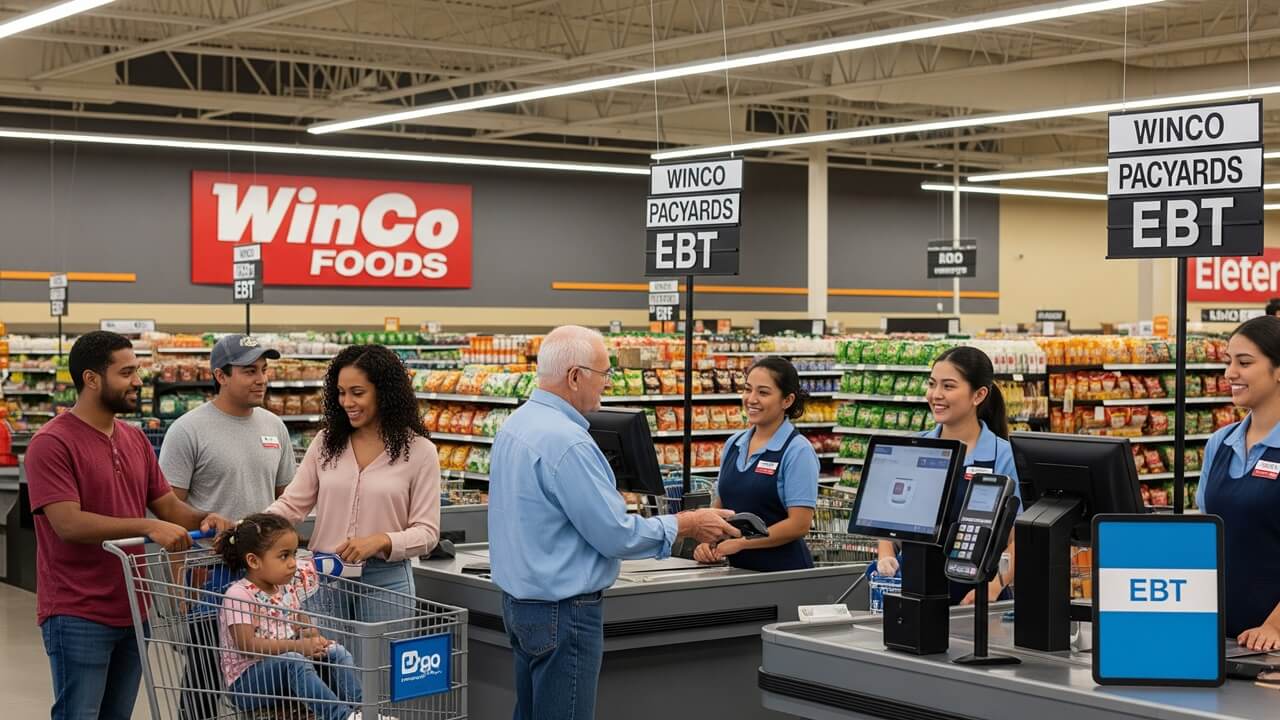
Think about it this way: If you’re receiving food stamps, do you still try to find a job? It’s a tough question with no easy answer. Some people might become comfortable with the benefits, especially if finding work is challenging. Factors like a lack of job opportunities, the cost of childcare, and the lack of education can make it difficult for someone to get a job that pays well enough to cover their basic needs. It’s also important to note that eligibility for SNAP often has requirements related to work or job training, designed to avoid long-term reliance.
However, the idea of dependency is complex. Many people on food stamps are working, but their income is still too low to afford enough food. Also, the program helps people deal with unexpected situations like job loss or medical emergencies. It acts as a safety net, providing temporary help while people get back on their feet.
Ultimately, whether food stamps create dependency depends on individual circumstances, program design, and the larger economic environment. The effectiveness of programs aimed at helping people find jobs and improve their skills also plays a big role.
Does Food Stamps Discourage Work?
A closely related question is whether food stamps discourage people from working. The argument is that if people can get free food, they might not feel the need to work as hard or at all. This concern is rooted in the idea that everyone should be responsible for their own well-being, and that receiving government assistance removes this responsibility.
There are a couple of points to consider in this argument:
- People may be disincentivized to work due to the potential loss of benefits.
- Work requirements of the program itself.
- The income threshold for receiving benefits.
It’s also true that many SNAP recipients *do* work. Some are employed in low-wage jobs that don’t pay enough to cover basic living expenses. Others are actively looking for work, but haven’t found a job yet. The availability of jobs and the skills people have play a huge role. Many people are also working and using food stamps simultaneously.
It’s important to also look at the program rules and the ways it can support people to find jobs. SNAP has work requirements for some recipients, and there are also programs designed to help people with job training and finding employment. Many states offer services such as helping people find jobs, helping with the costs of childcare, and helping with transportation to and from work.
What About the Cost of Food Stamps?
Food stamps cost a lot of money, and where that money comes from is always an issue. Taxpayers pay for the program, and that means the government spends less money on other things, like schools or infrastructure. Some people believe the money could be better used elsewhere.
The cost of food stamps can vary depending on the number of people enrolled and the average benefit amount. During economic downturns, like the 2008 financial crisis and the COVID-19 pandemic, more people need assistance, which increases the program’s cost. There are a lot of details on how much money is spent by the government on programs like SNAP, so it’s important to consider the source of your information.
It’s also important to think about the bigger picture. Food stamps are an investment in public health and well-being. If people don’t have enough to eat, they can get sick more often and need more medical care. Also, the money spent on food stamps goes directly into the economy, as people buy groceries at local stores, supporting jobs in the food industry.
Here’s a simplified look at how SNAP spending compares to other government programs:
| Program | Approximate Annual Spending |
|---|---|
| SNAP | [Varies] |
| Social Security | [Varies] |
| Medicare | [Varies] |
It is essential to know that these spending numbers vary.
Does Food Stamps Help Reduce Hunger?
One of the main goals of food stamps is to reduce hunger. It’s pretty straightforward – the program provides money to people who can’t afford enough food, making sure they have access to nutritious meals. Without food stamps, many families would struggle to feed themselves.
The benefits of food stamps are clear:
- Food stamps help families buy healthy food.
- Food stamps reduce stress by helping families meet a basic need.
- Food stamps improve overall health.
By providing food, food stamps can help kids do better in school, and adults be more productive at work. Having enough food can prevent long-term health problems that can come from poor nutrition. It’s really about ensuring people have a basic standard of living.
Of course, food stamps alone can’t solve the problem of hunger. Other factors like poverty, access to healthcare, and a lack of affordable housing all play a role. It’s part of a bigger effort to address these issues, not the only solution.
Is There Fraud in the Food Stamp Program?
Like any government program, there’s always the potential for fraud in the food stamp program. This can mean people misrepresenting their income or household size to get benefits they’re not eligible for, or using their EBT cards to buy things they shouldn’t, like alcohol or tobacco.
Here are some of the common types of food stamp fraud:
- Benefit trafficking (selling benefits for cash)
- Misrepresenting income or household size
- Using benefits on ineligible items
Government agencies use several tools to combat fraud. These include checking the information provided by applicants, conducting investigations, and working with retailers to prevent misuse of benefits. Penalties for fraud can include fines, disqualification from the program, and even jail time. SNAP is now using EBT cards to disallow benefits to be exchanged for cash, making it harder to commit fraud.
While fraud is a concern, it’s important to remember that the vast majority of food stamp recipients follow the rules and use their benefits responsibly. Also, studies show that the amount of fraud is relatively small compared to the overall size of the program.
What are the Effects on the Economy?
Food stamps have a direct impact on the economy. When people use their benefits to buy food, they’re supporting local businesses, like grocery stores and farmers markets. This spending can help create and maintain jobs within the food industry.
Here’s a simplified view of the economic impact:
- Increased demand for food.
- Support for local businesses.
- Job creation within the food industry.
- Multiplier effect (spending boosts other sectors of the economy).
During economic downturns, food stamps can act as a stimulus, boosting demand and preventing the economy from shrinking even further. Money spent on food goes directly into the economy. It can encourage economic activity in certain areas.
Of course, there are counterarguments. Some people argue that food stamps take money out of the economy, and that money could be used for other things if there was no food stamp program. Some people also worry that a reliance on food stamps could lead to businesses raising their prices.
| Potential Economic Effect | Positive or Negative |
|---|---|
| Stimulus during downturns | Positive |
| Inflation | Negative |
Conclusion
So, is food stamps bad? The answer isn’t simple. Food stamps are a valuable resource for many families and help to address food insecurity, but they also bring some concerns. When we look at the program’s overall effects, it is a mix of positives and negatives. It’s important to consider all the factors and think about the goals of the program. It plays a vital role in helping people get enough to eat and is often the safety net that families need. The ultimate goal is to help people live a healthy and productive life.