Food stamps, officially known as the Supplemental Nutrition Assistance Program (SNAP), help people with low incomes buy food. This program is run by the government and is designed to ensure that everyone has access to enough to eat. But what happens if someone has been convicted of a crime? **Can a felon get food stamps?** This essay will explore the rules and regulations surrounding SNAP eligibility for individuals with a criminal history, breaking down the key factors and considerations.
Eligibility Overview
The basic answer to the question of whether a felon can get food stamps is: it depends. There isn’t a blanket rule that automatically denies benefits to anyone with a criminal record. Instead, eligibility is typically determined by a combination of factors, primarily income and resources. SNAP is available to individuals who meet certain income and resource requirements, regardless of their past. States generally follow federal guidelines but have some flexibility in how they administer the program.
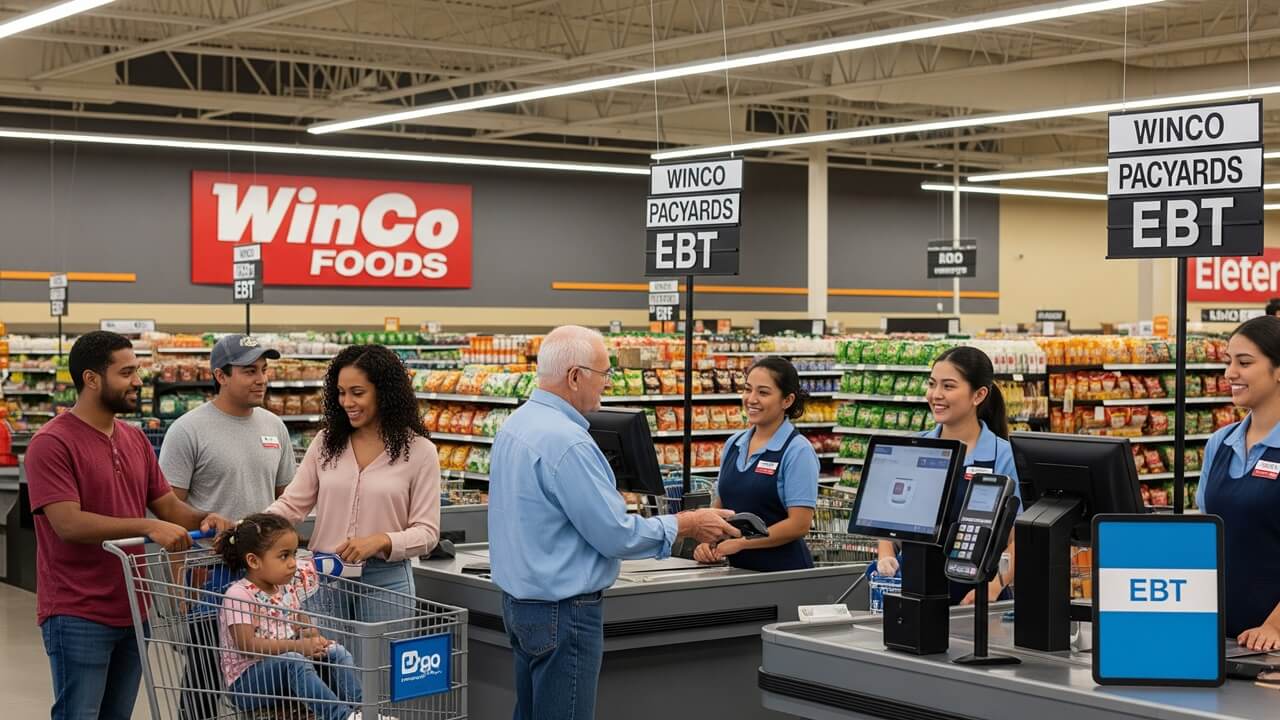
However, some specific convictions can impact eligibility. For example, a person convicted of a drug-related felony might face restrictions. It’s important to understand that the rules can vary from state to state, and knowing the specific regulations in your area is critical. Understanding these variations can be difficult, but it’s important to access the resources that are provided to you.
The goal of SNAP is to help people, including those who have made mistakes, get back on their feet and avoid hunger. It’s designed to provide a safety net. Often, those who have been incarcerated and are now released face hardships when trying to restart their lives. SNAP can serve as an important tool for successful re-entry into the community, helping them provide for themselves and their families.
To better understand this topic, let’s look at some of the crucial parts. Here’s a quick look:
- Income Limits: You must meet specific income requirements.
- Resource Limits: There are limits on how much money and property you can have.
- State Variations: Rules can differ slightly depending on where you live.
Drug-Related Felony Convictions
Historically, federal law included provisions that could deny SNAP benefits to individuals convicted of drug-related felonies. This meant that if someone was convicted of a drug offense, they could be banned from receiving food stamps, sometimes for life. This was a very strict policy, and it caused considerable debate because it impacted access to essential resources for people trying to rebuild their lives after incarceration.
Fortunately, the federal government has relaxed these restrictions over time. The current rules typically allow states to decide how they want to handle drug-related felony convictions. Many states have chosen to eliminate or modify these bans. This means that, in many places, a prior drug conviction doesn’t automatically disqualify someone from getting SNAP.
However, it’s still important to check your local state’s specific rules. Some states may have reinstated some version of the ban, or they might have requirements such as mandatory drug treatment or testing as a condition of receiving benefits. These rules can affect how people can use SNAP. The way these laws get passed varies greatly.
To help understand these varying impacts, here’s a table summarizing potential outcomes:
| State Policy | SNAP Eligibility | Additional Requirements |
|---|---|---|
| No Ban | Eligible | None |
| Modified Ban | May be eligible with conditions | Drug treatment, testing |
| Full Ban | Ineligible | None |
The Impact of Parole or Probation
Being on parole or probation can sometimes affect SNAP eligibility, but not necessarily in a way that directly denies benefits. Instead, the rules surrounding parole or probation can indirectly influence a person’s ability to get food stamps. For example, parole conditions can affect where a person lives, their employment status, and their access to resources.
If someone is required to live in a specific area because of parole restrictions, and that area has a high cost of living, it might be harder for them to meet the income requirements for SNAP. Similarly, parole requirements can limit the types of jobs a person can hold, potentially affecting their income and, therefore, their eligibility for food stamps. Parole boards often make decisions that impact a person’s quality of life.
Furthermore, individuals on parole or probation may face challenges in navigating the SNAP application process. They might have to provide extensive documentation or deal with additional scrutiny from program administrators. The requirements differ from state to state, and the laws vary with the type of crime.
To think about parole and probation, consider this list of questions that may come up:
- Where do you live?
- What jobs can you get?
- What are your income limits?
- Are there any other special conditions?
Income and Resource Requirements
The cornerstone of SNAP eligibility is meeting specific income and resource limits. These limits are based on household size and are adjusted annually to keep pace with inflation. The income requirements ensure that the program targets people who genuinely need help with food. These standards are meant to create equity for those applying for SNAP.
The resource limits refer to the value of assets a household possesses, such as savings accounts and property. These are designed to prevent people with substantial financial resources from receiving SNAP benefits. Most resources are considered, including cash and stocks. It is important to determine the limits and have them in writing.
It is crucial to understand that meeting income and resource requirements is a major part of eligibility. A person with a felony conviction, like anyone else, must provide proof of income and assets to be considered for SNAP. Some states have higher limits than others. It depends on the area where you live.
Here are some resources:
- Wages from employment
- Unemployment benefits
- Social Security benefits
The Application Process
The process of applying for SNAP is the same for everyone, regardless of whether they have a criminal record or not. The application process typically involves filling out an application form, providing documentation to verify income and resources, and attending an interview with a SNAP caseworker. This is a standard process meant to make sure everyone is treated equally.
The documentation required can include proof of income (pay stubs, tax returns), proof of residency (utility bills, lease agreements), and identification. The interview is an opportunity for the caseworker to ask questions, explain program rules, and determine eligibility. It is helpful to be prepared with answers to questions and any supporting documentation.
The application process can sometimes be complicated, and it’s essential to follow all instructions carefully. If someone has difficulty completing the application or understanding the program rules, they can seek assistance from local social services agencies or community organizations that offer help with SNAP applications. There are many resources available to help guide you through the process.
The application includes these steps:
- Fill out an application.
- Provide all necessary documents.
- Attend an interview.
- Wait for a decision.
State-Specific Variations
As mentioned before, the rules for SNAP, including eligibility for people with criminal backgrounds, can vary significantly from state to state. Some states may have stricter policies, while others might be more lenient. This means that whether or not a person with a felony conviction can receive food stamps often depends on where they live.
These state variations can include different approaches to drug-related felony convictions, different income and resource limits, and various application procedures. It’s crucial to research the specific SNAP rules in your state. This can be done by visiting your local Department of Social Services website or by contacting a SNAP caseworker.
Furthermore, states may change their SNAP policies over time. Staying informed about any changes in your state’s rules is essential. Keeping track of any updates to SNAP eligibility rules will help you and others who are applying for SNAP.
Here’s a brief example of how states differ:
| State | Drug Felony Restrictions? | Income Limits |
|---|---|---|
| California | Generally No | Varies based on household size |
| Texas | May vary depending on the county | Varies based on household size |
| Florida | Generally No | Varies based on household size |
Seeking Assistance and Resources
If you are a felon and are interested in applying for SNAP, or need assistance with the application process, there are many resources available. Contacting your local Department of Social Services is a good first step. They can provide information about eligibility requirements, application procedures, and other support services.
Community organizations, such as food banks, legal aid societies, and non-profits focused on helping formerly incarcerated individuals, can also offer valuable assistance. These organizations often have staff who are experienced in navigating the SNAP application process and can provide guidance and advocacy. They can also help with other essential resources, such as housing and job training.
It’s important to know that you don’t have to navigate the process alone. Seeking help from these resources can make the process easier and increase your chances of receiving benefits. Remember that there are people and organizations dedicated to helping those in need. Reach out if you need it.
Here are some places to find help:
- Local Department of Social Services
- Food Banks
- Legal Aid Societies
- Non-profit organizations
Conclusion
In conclusion, the answer to “Can a felon get food stamps?” isn’t always a straightforward yes or no. **The key is that a person’s criminal history isn’t an automatic barrier.** Eligibility hinges on a variety of factors, including the specific nature of the crime, the state’s laws, and meeting income and resource requirements. While past drug-related convictions may sometimes trigger restrictions, these are becoming less common as many states are easing restrictions. People with a criminal background who meet the program requirements have the right to apply for SNAP. By understanding the regulations, seeking necessary resources, and following the application process, formerly incarcerated individuals can improve their chances of securing food assistance, ultimately helping them rebuild their lives and re-enter society successfully.