The Supplemental Nutrition Assistance Program, often called SNAP or food stamps, helps families and individuals with low incomes buy food. It’s a really important program, but a common question people have is: Do you have to pay taxes on the money you get for food? This essay will break down the rules and clear up any confusion about how SNAP benefits and taxes work together. Let’s dive in to find out!
The Short Answer: Are Food Stamps Taxable?
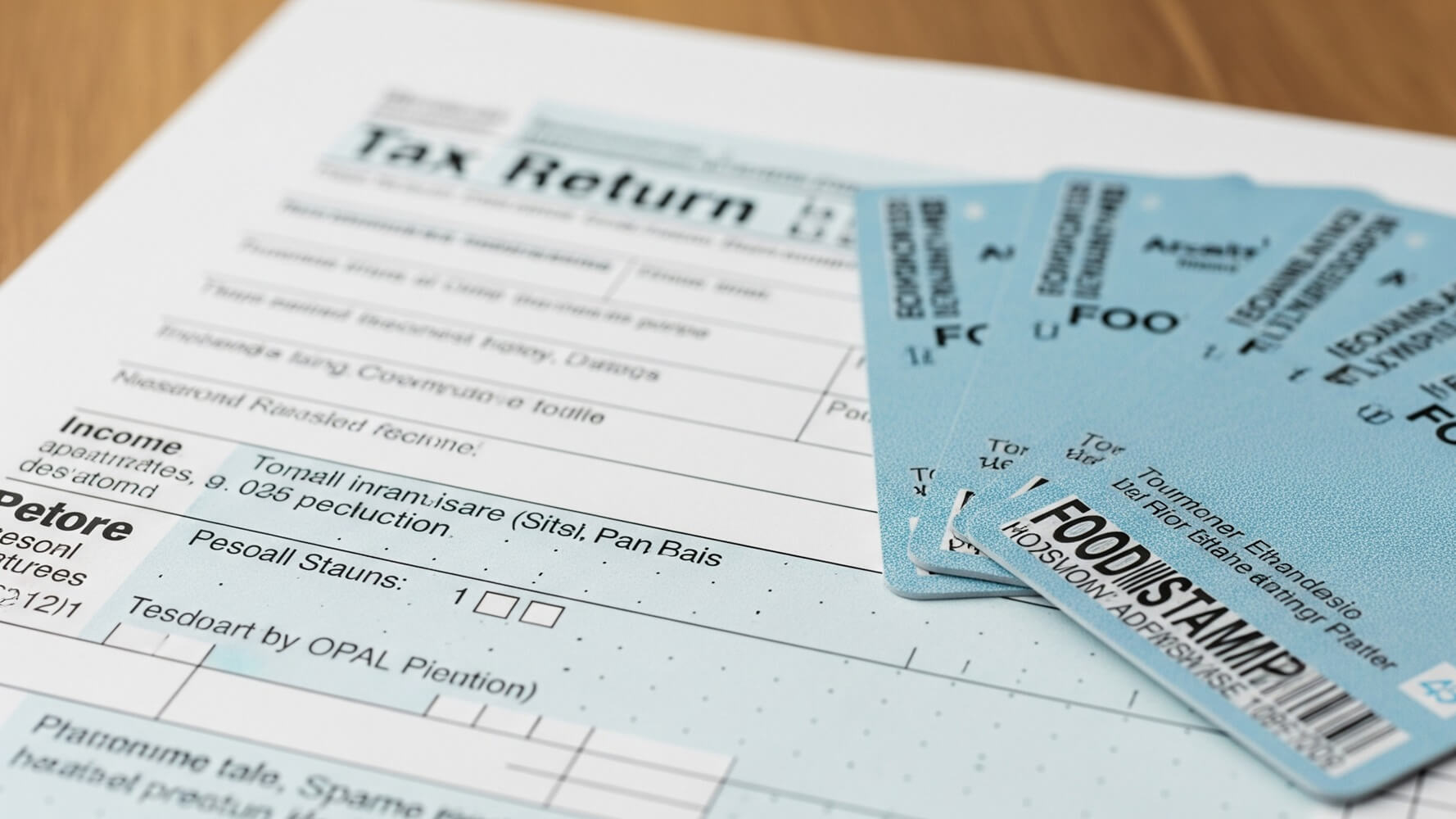
No, generally speaking, food stamps (SNAP benefits) are not taxable income. This means you don’t have to report the amount of SNAP benefits you receive on your tax return, and you won’t pay any federal income tax on them. Think of it like this: the government is providing you with assistance to buy food, and that assistance isn’t considered income for tax purposes.
What Exactly is Considered Taxable Income?
Taxable income includes almost everything you earn: wages from a job, money from a side hustle, profits from a business, and even some types of government benefits. However, the tax rules have special exceptions for some programs. SNAP is one of those exceptions.
The IRS, which is the government agency that collects taxes, has specific rules about what counts as taxable income. It helps to know what types of income you have to report to avoid any issues. Here are some examples of what’s usually included:
- Wages, salaries, and tips
- Interest and dividends
- Business profits
- Unemployment compensation
For SNAP, it’s different. It’s designed to help with basic needs, so it’s not included in your taxable income.
Why Aren’t SNAP Benefits Taxed?
The main reason SNAP benefits aren’t taxed is because they’re designed to help people afford food. The goal is to provide a safety net, not to create more tax burden on the people who need assistance. Taxing these benefits would defeat the purpose of the program. It would reduce the amount of money people have to buy food, which the government is trying to support.
Consider that people eligible for SNAP often have limited financial resources. Taxing these benefits would take away from the money they need for food, and create a hardship.
Here’s a simple way to think about it:
- You receive SNAP benefits to buy food.
- The government doesn’t tax those benefits.
- You can buy food.
This system is a straightforward approach to helping people access food without worrying about complicated tax implications.
Other Government Benefits and Taxes
While SNAP benefits are not taxed, other government benefits may have different tax rules. Some benefits are considered taxable income, and you’ll need to report them on your tax return. It’s important to know about the tax rules.
Here’s a quick comparison of some common government benefits and their tax status:
| Benefit | Taxable? |
|---|---|
| SNAP (Food Stamps) | No |
| Unemployment Compensation | Yes |
| Social Security Benefits (Partial) | Sometimes |
Knowing which benefits are taxable helps you prepare your taxes accurately.
State Taxes and SNAP
While federal law generally doesn’t tax SNAP benefits, there could be some exceptions. It’s good to be aware of how things work on a state level.
The rules for state taxes can vary from state to state. While most states follow the federal rules and don’t tax SNAP benefits, some might have different approaches. Here are some important points:
- Check your state’s tax laws: Each state has its own tax laws.
- Consult a tax professional: If you’re unsure about state tax rules, it’s a good idea to get advice.
- Keep records: Although SNAP is generally not taxed, keeping records of your benefits can be useful.
By understanding the state rules, you can make sure you meet all of your tax responsibilities.
How to Report Other Income While Receiving SNAP
Even though SNAP benefits themselves aren’t taxed, if you earn other income, you’ll still have to report that income on your tax return. This is important to remember, because it makes sure that you accurately report all your taxable income.
It’s crucial to keep detailed records of any income you receive. This includes:
- Wages: Keep your W-2 forms from your job.
- Self-employment income: Keep track of your earnings if you do any freelance work.
- Other taxable income: Include any interest, dividends, or other forms of taxable income.
Failing to report your taxable income can lead to penalties. It’s important to file an accurate tax return.
Getting Tax Help if You Need It
Tax laws can be complex, so it’s smart to get help if you need it. There are resources available to help you file your taxes and understand your tax responsibilities.
Here’s where you can find help:
- IRS Website: The IRS website offers tax information and forms.
- Free Tax Preparation: There are volunteer programs.
- Tax Professionals: You can hire a tax professional.
These resources can assist with preparing your tax return and help you understand any questions you may have. Don’t hesitate to reach out if you’re unsure about anything.
In conclusion, SNAP benefits are generally not taxable, offering crucial support for families without adding a tax burden. While it’s important to remember that other income may still be subject to taxes, understanding the rules around SNAP ensures you can manage your finances effectively. Remember that tax laws can vary, so staying informed and seeking help when needed is important.